
Emphasis on Knowledge-Based Development and Strengthened International Cooperation
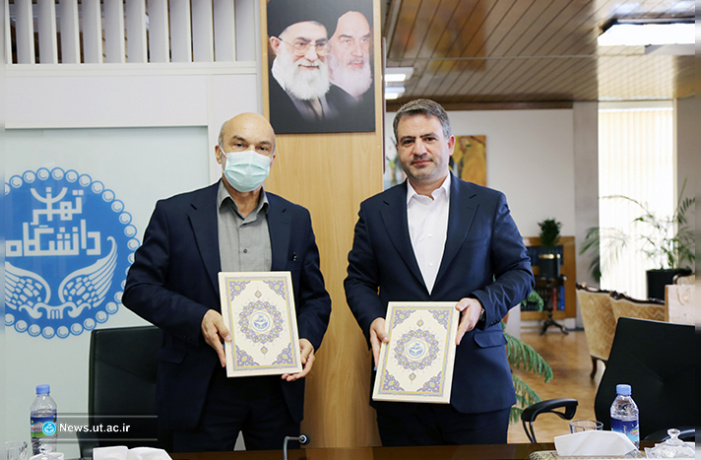
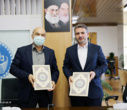
University of Tehran and Center for Cooperation in Transformation and Progress of the Presidency Sign MoU
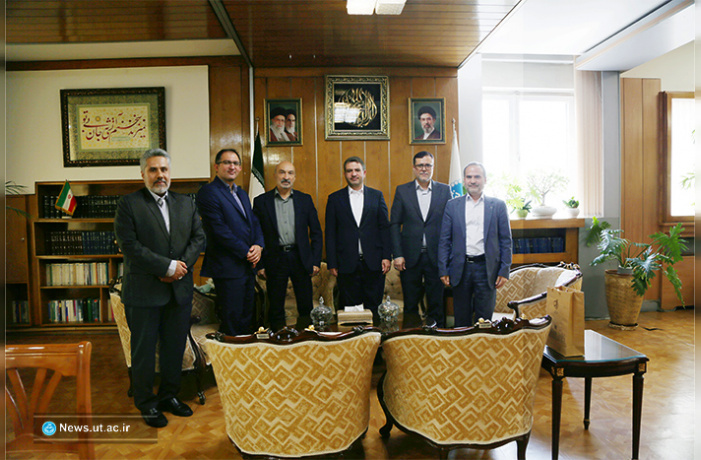
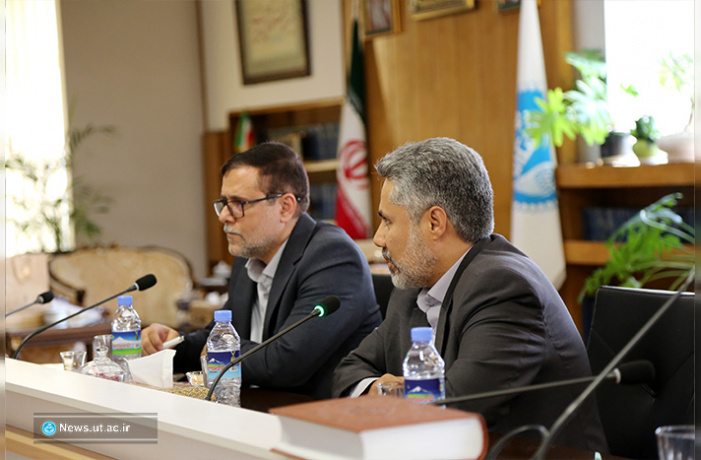
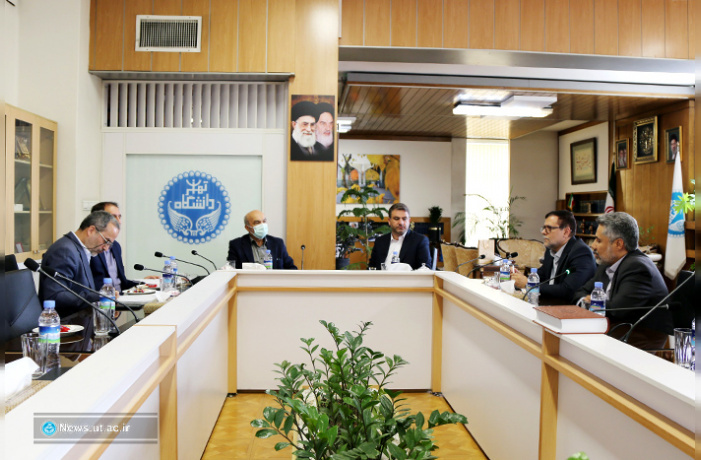
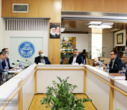
According to the Public Relations Office of the University of Tehran, the meeting was attended by Dr. Mohammad Hossein Omid, President of the University of Tehran, and Dr. Sajjad Ahadzadeh, Head of the Center for Cooperation in Transformation and Progress of the Presidency. The two sides agreed on university capabilities and strategies for scientific and technological development, stressing the need to turn international challenges into research opportunities and to develop knowledge-based infrastructure.
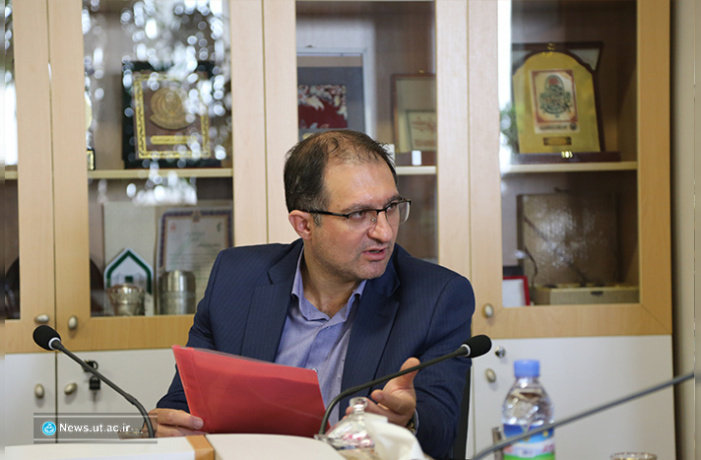
Dr. Omid referred to changes in the international environment and the complexities of sabbatical and study opportunity processes for specialists. He stated that the need to create smarter pathways for scientific cooperation and to pave the way for universities to advance internationally is increasingly felt. Emphasizing the link between university research and national needs, he said that cooperation in areas such as energy, water, and food security is among the University of Tehran’s main priorities for confronting potential crises.
Dr. Omid said: “The University of Tehran has defined a package this year, and under this package, special conditions and financial resources will be allocated for research, theses, and dissertations.”
The President of the University of Tehran further stressed the need for “domestic development” and the use of existing capacities to upgrade national technologies. He emphasized: “Any scientific activity must be in line with promoting the country’s knowledge-based development, and new solutions for technology transfer and strengthening the knowledge production cycle have been placed on the agenda.”
Dr. Ahadzadeh, Head of the Center for Cooperation in Transformation and Progress of the Presidency, referred to the Center’s record in science, technology, and innovation and described institution-building as one of its missions.
He cited the establishment of institutions such as the Special Headquarters for Nanotechnology Development and Pardis Technology Park as among the Center’s measures to create infrastructure for technological development in the country. He also described identifying and removing the country’s technological bottlenecks through expanded international cooperation over the past four decades as among the main missions of the Center for Cooperation in Transformation and Progress. He noted the formation of specialized deputy offices and thematic groups to monitor and address the country’s technological needs in priority areas.
Dr. Ahadzadeh considered the development of international cooperation to identify and transfer technology in priority and sensitive areas essential, and referred to the establishment of technology cooperation consultations by the Center in target countries to meet these needs.
The Head of the Center for Cooperation in Transformation and Progress of the Presidency also stressed the need for synergy and convergence in leveraging the capacities of international institutions and organizations of which Iran is a member, including the Shanghai Cooperation Organization (SCO) and BRICS, in science, technology, and innovation, and in developing knowledge-based cooperation with the University of Tehran.
Notably, the MoU focuses on synergy and sustained cooperation to facilitate technology and innovation development and to conduct strategic research related to key areas such as strategic technologies in energy, biological, information and communications, and industrial fields; the development of international communications for technology transfer and commercialization of technological achievements; and laying the groundwork for increased participation of knowledge-based companies and related entities supported by the University in priority and bottleneck areas. It also aims to expand international communications for technology transfer and commercialization of technological achievements of the Islamic Republic of Iran and to pave the way for greater participation of knowledge-based companies and related entities supported by the University in priority and bottleneck areas.
Under the MoU, the University of Tehran will identify and introduce innovative needs and share international experiences. In turn, the Center for Cooperation in Transformation and Progress of the Presidency has placed on its agenda the use of technology counselors to expand international technology cooperation, the formation of joint working groups, the proposal of applied topics for theses, dissertations, and research projects, and assistance in securing financial resources and supporting strategic projects.
Your Comment :