
Longstanding University of Tehran and Al-Mustansiriya University Continue Cooperation
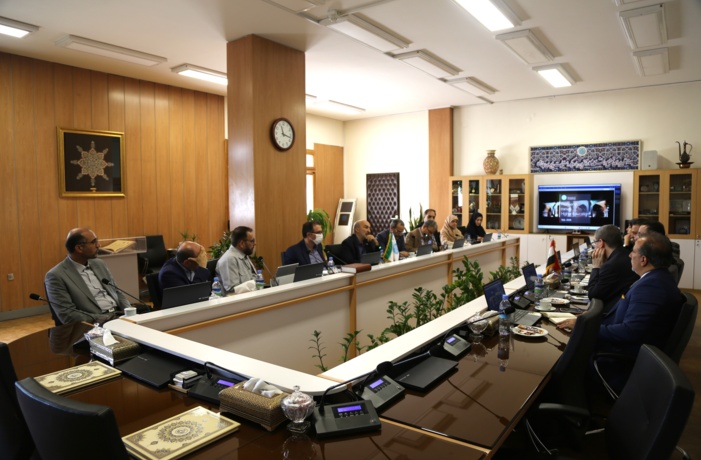
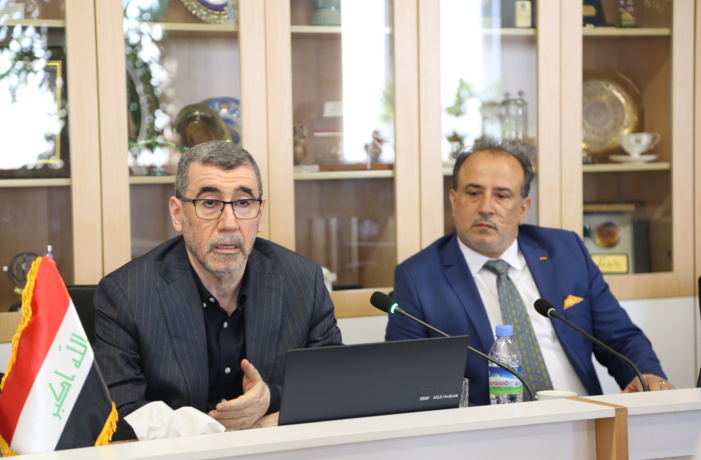
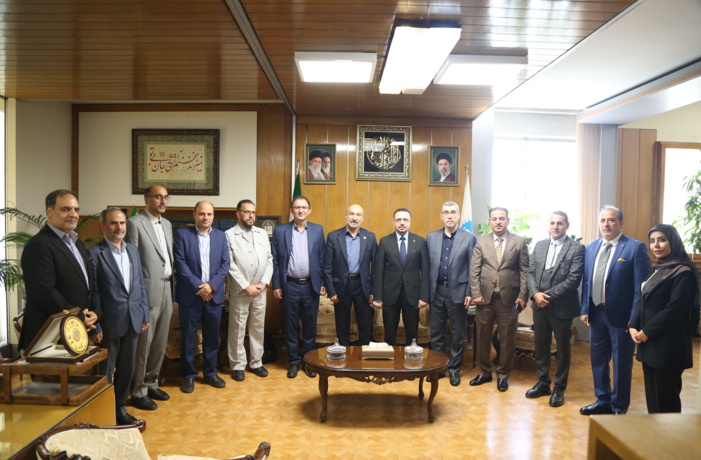
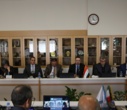
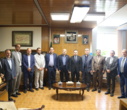
According to the Office of International Relations of the University of Tehran, Dr. Mohammad Hossein Omid, President of the University of Tehran, hosted a delegation from Iraq’s Al-Mustansiriya University on Sunday, 29 Shahrivar 1405 (September 20, 2026). The meeting was attended by Dr. Saeid Hamzeh, Vice President for International Affairs; Dr. Mahmoud Reza Delavar, Director General for Faculty Members and Students at the Office of International Affairs; Dr. Javad Asghari, Dean of the Faculty of Literature and Humanities; Dr. Yahya Bouzari Nejad, Head of the University of Tehran’s Baghdad International Campus; and Dr. Masoud Fekri, Associate Professor of Arabic Language and Literature at the Faculty of Literature and Humanities, alongside the President of the University of Tehran.
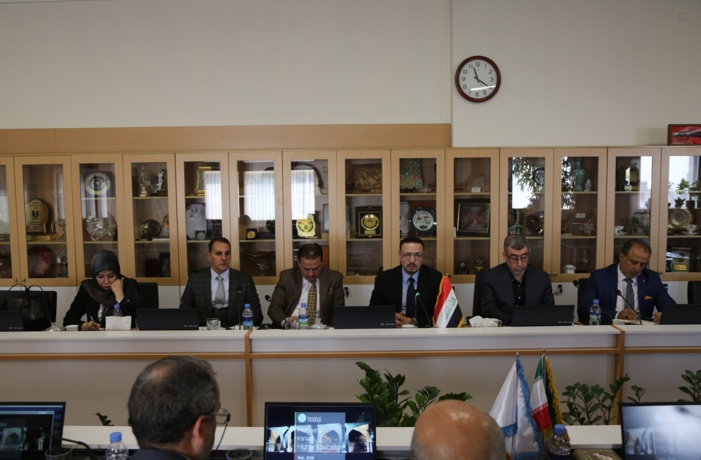
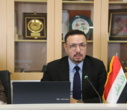
The Al-Mustansiriya University delegation comprised Dr. Safa Taqi al-Isawi, President of Al-Mustansiriya University; Dr. Abdul Amir Al-Aboudi, Dean of the College of Arts; Dr. Saad Mohammed Ali, Vice Dean of the College of Arts; Dr. Sabah Kadhim Bahr, Director of Administrative Affairs at the College of Arts; and Dr. Mohammed Abbas Mohammed al-Mousavi, Scholarship Officer at the College of Arts.
University of Tehran Ready to Operationalize Joint Memorandum of Understanding
In this meeting, Dr. Mohammad Hossein Omid welcomed the Iraqi delegation and congratulated them on the blessed birth anniversary of Imam Hassan al-Askari (AS). He described the University of Tehran as a symbol of Iran’s higher education and a university with international standing, and considered the establishment of the University of Tehran’s Baghdad International Campus in Iraq as a sign of the importance the Iraqi nation and government attach to Iran. He expressed hope that student admissions would begin at the University of Tehran’s Baghdad International Campus in the new academic year.
Universities’ Responsibility to Address Water Scarcity and Climate Change Crises
Recalling his meeting in Iraq with the country’s former Minister of Science, Dr. Omid stressed the important role of universities in resolving countries’ problems and said: “The problem of water scarcity and climate change will be a common challenge for Iran, Iraq, and other countries in the region. It is necessary for one of Iraq’s universities to assume responsibility for water governance, and for joint research to be developed in this field.”
Unbreakable Bonds Between the Iranian and Iraqi Nations
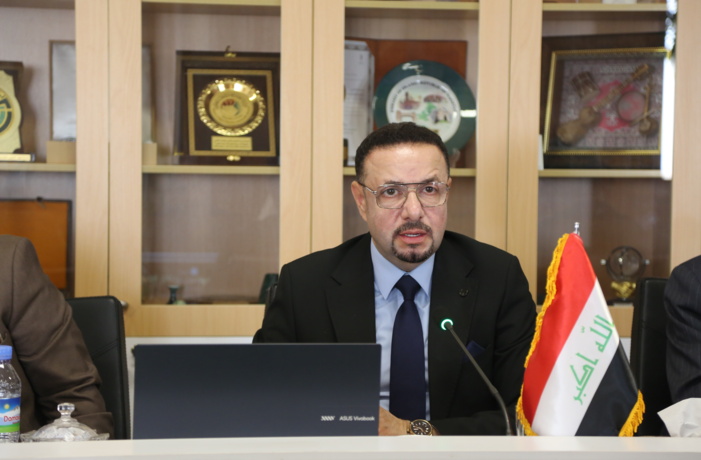
Dr. Safa Taqi al-Isawi, President of Al-Mustansiriya University, referring to the ancient roots of both universities in their respective countries, expressed pleasure at being present at the University of Tehran. Introducing Al-Mustansiriya University, he described it as offering diverse disciplines and attracting international students from around the world, enjoying a worthy position in national and global rankings, and serving as a guardian of Iraq’s ancient scientific heritage. According to the president of Al-Mustansiriya University, the university has 14 colleges, 48,000 students, 10,000 postgraduate students, 45,000 faculty members, and 4,700 staff, in addition to its research and medical centers. Confirming Dr. Omid’s remarks on the role of universities in solving countries’ problems, Taqi al-Isawi said: “I hope that by continuing cooperation with the ancient University of Tehran, we will actively acquire the tools for real work. Our country, Iraq, faces economic and political challenges that must be addressed with the help of research.”
University of Tehran’s International Capacities Highlighted
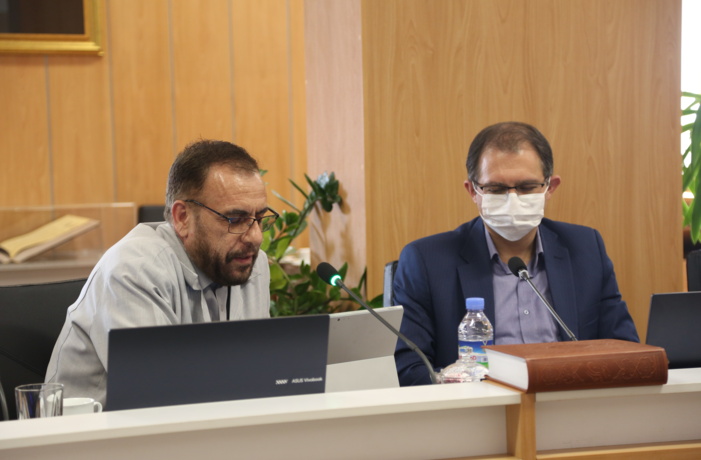
Continuing the meeting, Dr. Saeid Hamzeh, Vice President for International Affairs at the University of Tehran, reported on the university’s position in global rankings, its membership in reputable international associations, and the multiplicity of its faculties and fields of study. UNESCO chairs and other international activities at the University of Tehran, as well as its history of cooperation with Al-Mustansiriya University, were another part of his report. He said: “The University of Tehran and Al-Mustansiriya University have signed two memoranda of understanding: one in 2012 with the President of the University of Tehran, and another in 2017 with the Dean of the Faculty of Literature and Humanities of the University of Tehran. Today we are very pleased to have gathered to renew this cooperation.” The exchange of faculty members and students, holding joint short-term and long-term educational courses with a joint degree from both universities, granting student scholarships, and holding joint meetings, webinars, and conferences were among the key points raised by Dr. Hamzeh. To begin executive work, he requested the introduction of representatives from both universities and the determination of the main axes of scientific work.
Outcomes of the Meeting and Signing of the MoU Renewal
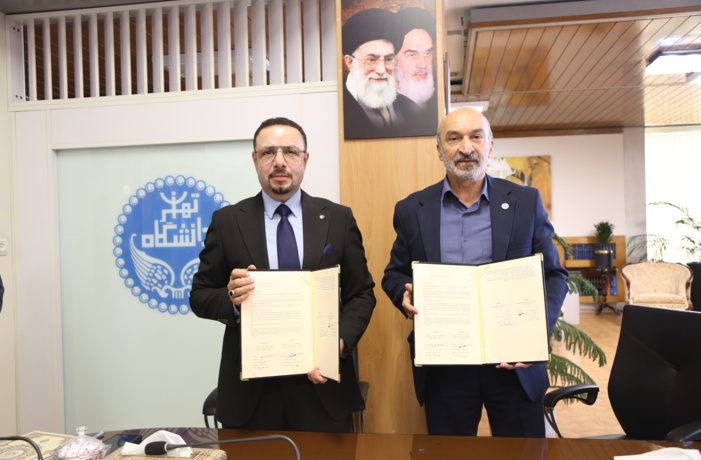
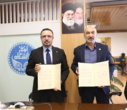
At the meeting, cooperation between the University of Tehran and Al-Mustansiriya University continued with the signing of the renewal of the memorandum of understanding by the presidents of both universities. The most important resolutions of the meeting were as follows:
- Dr. Saeid Hamzeh, Vice President for International Affairs at the University of Tehran, was designated as the university’s representative for implementing the memorandum. In addition, Dr. Bouzargi Nejad was appointed as the University of Tehran’s representative to follow up on related matters in Baghdad.
- The study of water scarcity, climate change, and desertification, as well as the use of artificial intelligence, were considered research priorities of both universities. Given that both universities have diverse disciplines, other areas of cooperation will also be pursued through the formation of specialized committees.
- The exchange of faculty members and students and the granting of scholarships to students up to the doctoral level were placed on the agenda.
- Holding joint meetings, seminars, webinars, and conferences will be pursued.
Both sides expressed hope that joint cooperation would help resolve the problems of the two countries and that the progress of each country would bring about the progress of the other country and the two nations.
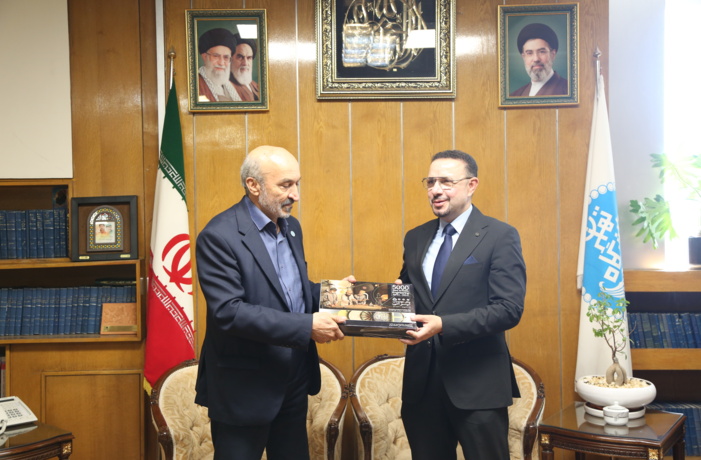
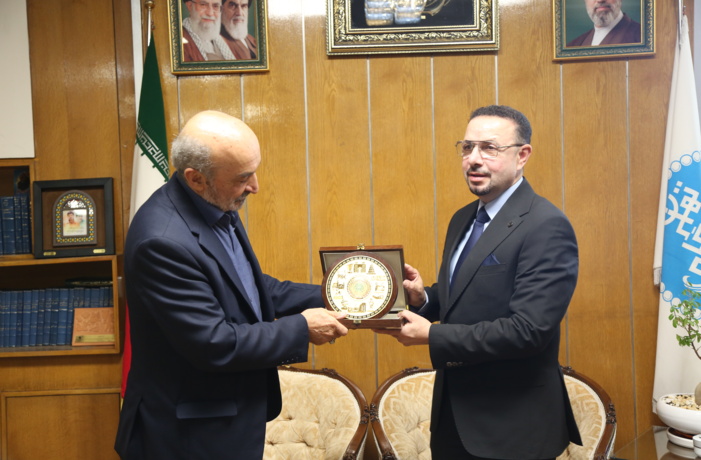
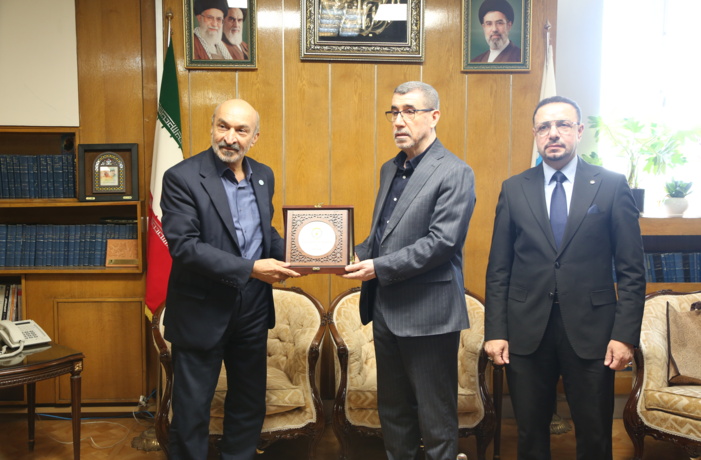
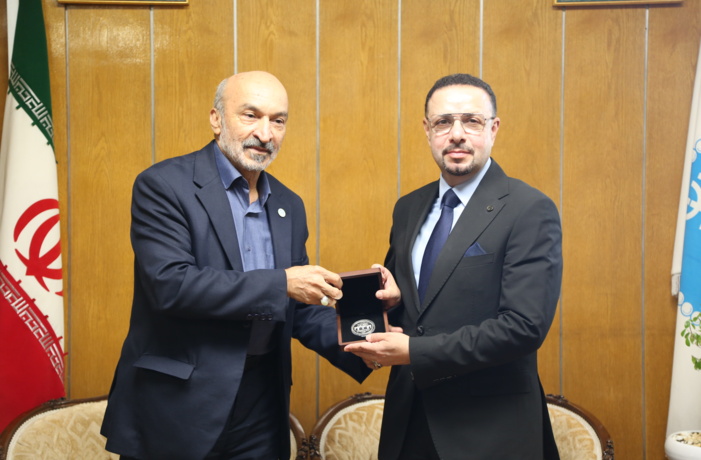
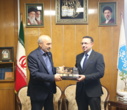
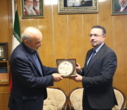
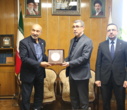
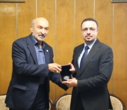
The meeting concluded with the signing of the memorandum’s renewal and the presentation of commemorative gifts, and both sides prepared for the subsequent executive work.
It is worth noting that Mr. Abolfazl Khampijei and Mr. Abdolhadi Zighami, representatives of the Arbaeen Cultural and Educational Committee, attended the meeting.
Your Comment :